

The Pet Gear Hall of Fame… for Injuries: What to Avoid and Why
We all want what is best for our dogs and cats, and sometimes that means purchasing new gear or finding the perfect toy to keep them happy and entertained. It can feel like you need a whole warehouse of supplies just to keep up with your playful canine or curious feline. Finding the right tools for training or everyday walks can be especially overwhelming, with so many options promising instant results or maximum convenience. While these items are intended to make pet ownership easier, some seemingly helpful training aids or popular chew toys can actually pose a risk to your pet’s health and safety.
Navigating the wide world of pet products and training techniques can feel confusing, but that is where our experienced team in New Albany, OH steps in to guide you. At Willow Wood Animal Hospital, we’re here to help you make safe choices at home and on the go. If you have questions about whether a certain leash or chew is right for your pet, please contact us and we’re happy to help make recommendations.
Safe pet equipment starts with understanding how your dog feels
The most important first step is to choose gear that keeps your dog comfortable while keeping you in control; pain and fear are red flags, and your dog’s body language will tell you when something is wrong.
- Learn the basics of canine body languageand everyday dog communication. Watch ears, eyes, mouth, tail, and posture together.
- Anxiety and fearescalates up a “stress ladder”: lip licking and yawning can escalate to growling or lunging if pressure continues.
- Comfort matters. Ill-fitting gear or tight neck pressure can create agitation that looks like “stubbornness.”
When you are assessing gear fit, look for a loose, wiggly body, soft eyes, sniffing, and a relaxed tail as signs of comfort. On the flip side, head shaking, pawing at the face, coughing on the leash, avoidance, or grabbing the leash suggest a tool is too much. If you’re unsure whether your gear is helping, book a wellness care visit and we can assess fit, stress, and behavior.
Humane training: why rewards win over corrections
Reward-based methods work better and protect your dog’s trust, because pain-free training strengthens the behavior you want and reduces fear.
- The heart of a positive training philosophyis simple: reinforce what you like, prevent what you don’t, and teach alternatives.
- Dogs learn fastest when they feel safe. Food, toys, praise, and timing communicate clearly. Use training treatsto reinforce good behavior.
Want help tailored to your pet? Our puppy and kitten wellness plans include early training tips, and our team can build a plan that fits your household.
Why prong collars, choke chains, and shock collars belong on the “no” list
Aversive collars work by causing pain or fear, carry medical risks, and can increase behavior problems- even when they appear to “work” in the moment. Tools like prong collars and choke chains compress sensitive neck tissues and can cause pain to the muscle and vertebrae in the neck. The documented dangers of training collars, like shock collars, include skin trauma, anxiety, and worsening leash reactivity.
Veterinary groups advise against aversive training methods because they can suppress communication signals without fixing the cause. Suppressed warning signs can lead to aggression in dogs, especially when fear is involved.
If your dog pulls, lunges, or barks on walks, there are safer solutions. Our canine and feline adult wellness plans include time to discuss better-fitting gear and training options.
Retractable leashes: convenience with hidden risks
Retractable leashes often reduce your control and raise injury risk, while a standard 4 to 6 foot leash is far safer around traffic and in clinics.
- Here is why veterinarians don’t recommend retractable leashes: sudden stops can snap the cord, handles can fly from your hand, and the thin line can cause burns or cutsto pets and humans alike.
- Dogs learn to pull because tension produces more freedom, which is the opposite of what you want.
- These devices are especially risky near cars, around reactive dogs, and inside veterinary hospitals.
For everyone’s safety, we prefer non-retractable leashes at Willow Wood. Not sure what to bring? Contact us for recommendations that fit your dog.
Safer walking gear that protects bodies and builds good habits
For most dogs, a well-fitted harness or collar paired with a sturdy 4 to 6 foot leash offers the best balance of comfort and control; use collars primarily for ID and training cues rather than for managing pulling.
- Collars: use a flat collar for tags and ID, and consider your pet’s breed when choosing the right collarfor head shape and coat. Martingales help prevent slip-outs on narrow heads when properly fitted.
- Harnesses and head control: well-fitted harnessesdistribute pressure across the chest and shoulders and reduce neck strain. Head halters work well for especially strong pullers by pulling their nose downward when they pull, but should be used carefully and never yanked.
- Walking skills: reward attention and a loose leash while practicing walking nicely on leash. Start in quiet areas before busy streets. A longer leash, like this 10 foot lead, is great for giving your pup more freedom without sacrificing safety.
When checking fit, aim for two fingers under the neck or chest strap and ensure free shoulder movement. Choose materials that are smooth, durable, and comfortable for your hand and your dog’s skin. Check out these great comfort harnesses in our online store. Our team can demonstrate fit during a routine visit and help you pair equipment with training steps.
Toys that too often end in emergency visits
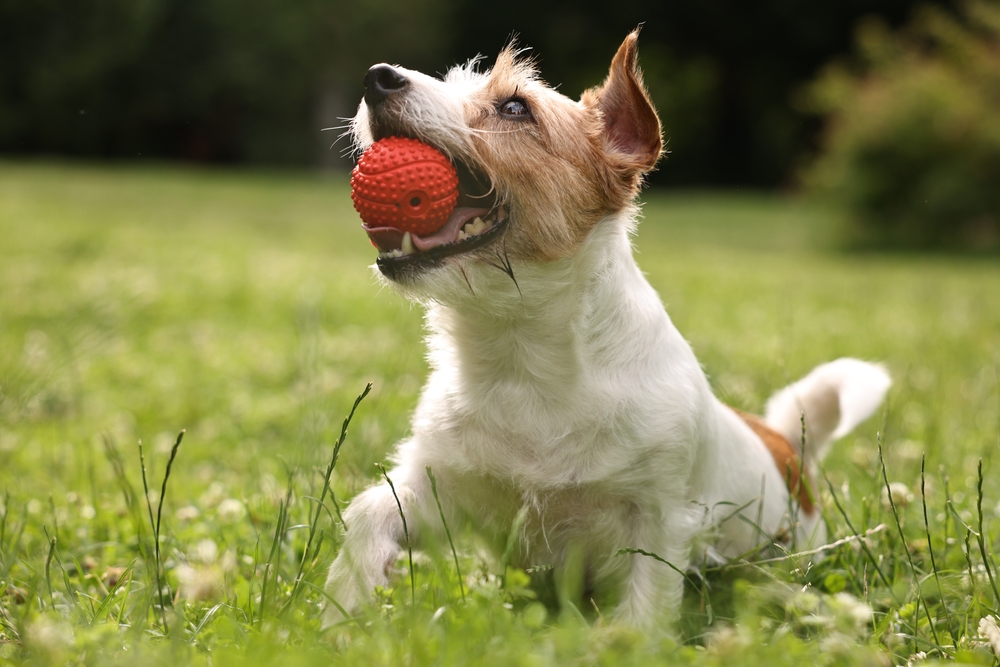
Instead of grabbing whatever looks fun, think through common risk categories you may already have at home. Some toys can break teeth, block intestines, or become choking hazards, so when in doubt, size up and supervise to keep playtime safe.
- Tennis balls with sandpaper-like fuzz can grind down enamel over time
- Rope toys may unravel, and those swallowed strings can cause dangerous intestinal “sawing”
- Small rubber balls or toys that fit behind the molars can wedge in the throat and become a choking or blockage risk
- Squeakers and plastic eyes are swallowable parts that can block the gut
- Stuffed toys become a blockage risk when the stuffing or fabric is ingested
- Very hard plastics and nyloncrack canines and premolars
To play it safe, choose toys larger than the width of your dog’s mouth and matched to jaw strength, keep an eye on active chewers, and discard torn toys before they cause problems. If your pet vomits, strains to defecate, refuses food, or shows belly pain after play, treat that as urgent.
Chews that cause broken teeth and gut problems
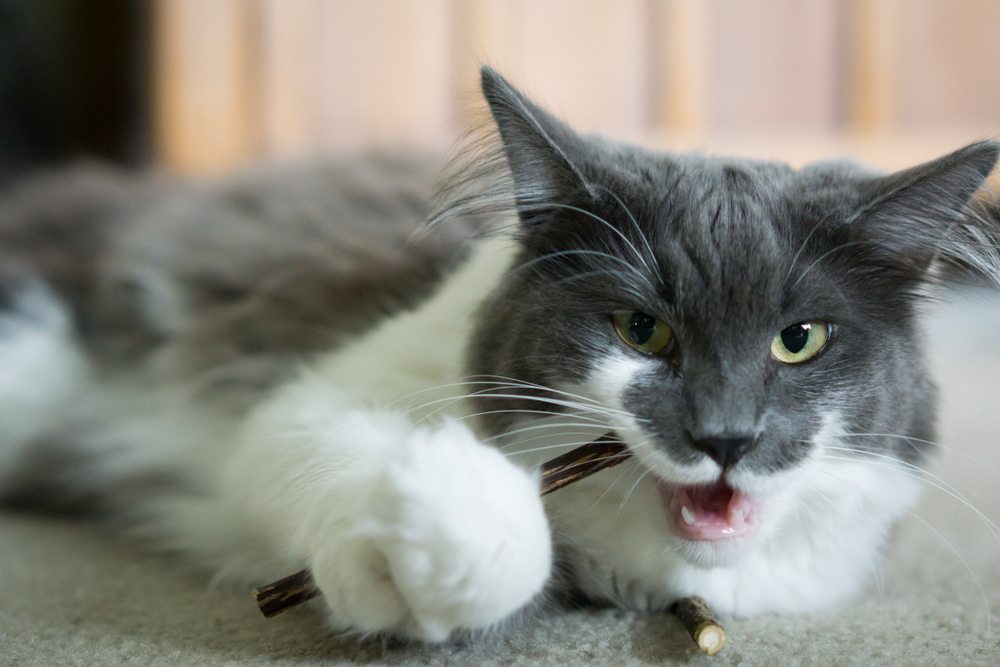
Steer clear of very hard chews and anything that breaks into sharp pieces, or are indigestible. Many “natural” items still cause injuries even when marketed as safe.
- The potential dangers of popular dog chewsinclude rawhide that swells and blocks intestines, and bones, antlers, or hooves that can fracture teeth.
- Even some synthetic options are too hard, like hard nylon toys.A good rule: if your nail cannot dent it, it is likely too hard for teeth. Some dogs who aren’t extremely aggressive chewers can safely chew on these- ask us if they are a good fit for your dog. We have some great options in our online store.
- Natural items like rawhide, tracheas, or bully sticks can grow bacteria if not eaten in one sitting
In our clinic, we often see slab fractures after chewing bones, antlers, or hooves, vomiting and dehydration after ingesting rawhide chunks, and choking episodes with short, slippery chews. If you notice tooth pain, bleeding gums, gagging, or repeated vomiting, contact us promptly.
Safer toy and chew alternatives that keep pets engaged
Your best bet is to choose durable, right-sized, slightly compressible toys and monitor chewing, then rotate items to keep them novel and safe.
- Look for durable rubber toysthat flex under pressure but don’t crumble. Stuff or freeze them for extra challenge. Our online pharmacy has a great selection of vet-trusted KONG rubber toys.
- Consider puzzle feeders and safe chew toysdesigned for your dog’s chew style and age.
- Choose natural chews that are highly digestible, like these beef sticks, cheek rolls, and bully sticks
- The thumbnail test: press your nail into the chew. If it gives a little, it’s usually kinder to teeth.
- Match intensity: heavy chewers need thicker rubber; gentle chewers can enjoy softer textures.
- Always supervise your pet with new toys to ensure they won’t destroy and eat them
If you’re looking for chews that also have dental benefits, check out VOHC approved dental chews- we love OraVet and C.E.T Enzymatic dental chews. Bring your questions to a preventive exam and we’ll tailor product suggestions to your pet’s size and habits. Our wellness plans make it easy to check in regularly as needs change.
Switching to safer equipment and products without the struggle
The smoothest way to switch is to change one thing at a time, pair every step with rewards, and expect an adjustment period that turns small wins into lasting habits.
- Introduce new gear at home during mealtimes so your dog associates it with good things.
- Fit the harness or head halter snugly and practice short indoor sessions before outdoor walks.
- Replace risky chews with softer, safe options and supervise the first few uses.
- Phase out retractables by switching to a 6 foot leash, rewarding a slack leash every few steps.
- If your dog has used aversive collars, expect stronger pulling at first. Reinforce attention, change direction gently, and keep sessions short.
- Budget for quality products that last. A sturdy harness and safe chews often cost less than a single emergency visit.
Personalized help is available. Our team can review your equipment and outline next steps during your next visit.
Safer choices today for happier walks and play
Choosing humane walking gear, appropriate toys, and tooth-friendly chews protects your pet’s body, supports better behavior, and prevents costly emergencies. As an AAHA-accredited hospital, our standards push us to recommend products and training methods that respect your pet’s physical and emotional well-being. If you would like tailored advice based on size, energy level, chewing style, or medical history, our clinicians are ready to help during preventive visits and follow-up checks.
Ready to update your pet’s kit or troubleshoot pulling, reactivity, or chewing habits? Please contact us or review our services to plan wellness or behavior-focused visits. We’re here to help, guide, and be your partner in your pet’s care so every walk and play session is safe and enjoyable.


Leave A Comment