

Daily Dental Care for Pets: Choosing Products That Protect Their Teeth
Brushing a dog’s teeth seems straightforward until you try it and realize not every pet is on board. Some accept it. Others resist. Many tolerate it without enthusiasm. The challenge isn’t just cooperation, but picking products and techniques that truly prevent disease, not just go through the motions.
Willow Wood Animal Hospital in New Albany brings AAHA-accredited standards to home dental care guidance. Through our comprehensive wellness plans, we assess oral health regularly and recommend products proven to reduce plaque and tartar. During annual wellness visits, we demonstrate proper brushing and discuss alternatives like dental wipes, water additives, and enzymatic gels. We also help you sort out which treats actually help. Contact us to match home dental care to your pet’s temperament and needs.
Starting a Home Dental Routine That Actually Protects Your Pet
Bad breath happens, and confusion about products is common. The good news: home care doesn’t have to be complicated.
Consistent home care, plus regular professional attention, offers real protection. What you choose- and how often you use it- determines whether you’re preventing disease or just checking a box. Our online pharmacy offers a wide range of veterinarian-trusted products to help you find the perfect routine that works for you.
How Plaque Becomes a Serious Health Problem
Plaque is a sticky film of bacteria that forms within hours after eating. If not removed, it hardens into tartar within days.
Tartar irritates gums and leads to gingivitis. Untreated, periodontal disease progresses to cause pain, tooth loss, and potential spread of bacteria to the heart, liver, and kidneys. Daily care slows this process and can stretch the time between professional dental cleanings.
At Willow Wood Animal Hospital, our comprehensive services include routine oral checks so we can catch problems early and tailor home care for your pet and your household.
Why Brushing Remains the Most Effective Option
Mechanical plaque removal works best
Brushing physically removes plaque before it turns to tartar. Daily is ideal; every other day still helps. Even brushing only the outer tooth surfaces makes a difference. With proper tooth-brushing techniques, you’ll see better gums and fresher breath within weeks.
Build tolerance gradually
Jumping to a full session can backfire. Start small:
- Touch the muzzle and lift lips during calm moments
- Let your pet taste pet-safe toothpaste
- Rub paste along the gumline with a finger, then introduce a brush or finger brush
Never use human toothpaste. Choose pet toothpaste with flavors pets enjoy. Cooperative care techniques keep sessions short and positive with generous rewards. Our team can demonstrate angles, pressure, and pacing during visits.
When Dental Wipes Are the Better Fit
If brushing isn’t happening, wipes or gauze can help by rubbing away surface plaque. They’re often easier for cats and anxious dogs. Wrap the wipe around your finger and focus on outer surfaces and canines using gentle pressure.
Wipes are better than nothing and can be a stepping stone to brushing. Pairing them with enzymatic solutions boosts their effect. Pets relying only on wipes may need professional cleanings more often. During your visit, we’ll review what’s working and make adjustments.
How Enzymatic Gels Support Oral Health
Enzymatic gels help break down plaque. They can work without brushing, but work best when combined with some rubbing or brushing.
You can apply gel with a finger along the gumline or use a brush. Some pets lick the gel and let saliva spread it. Expect fresher breath and support for oral health, but remember: gels can’t remove tartar or treat advanced disease on their own. They’re especially useful for seniors or pets who won’t tolerate tools.
We carry veterinary-approved products and guide you toward options with real benefits, not just marketing claims.
Do Water Additives and Oral Rinses Actually Help?
Water additives and rinses can reduce bacteria and improve breath. Results vary widely by product. They work best as add-ons to physical cleaning, not replacements.
VOHC-accepted products meet independent standards for plaque and tartar control. Introduce water additives slowly and watch for changes in drinking. Direct oral rinses may deliver stronger support but require more handling. The right choice is the one your pet will accept consistently. We’ll help you find a fit based on your pet’s preferences and risk level.
Choosing Dental Chews and Toys That Actually Work
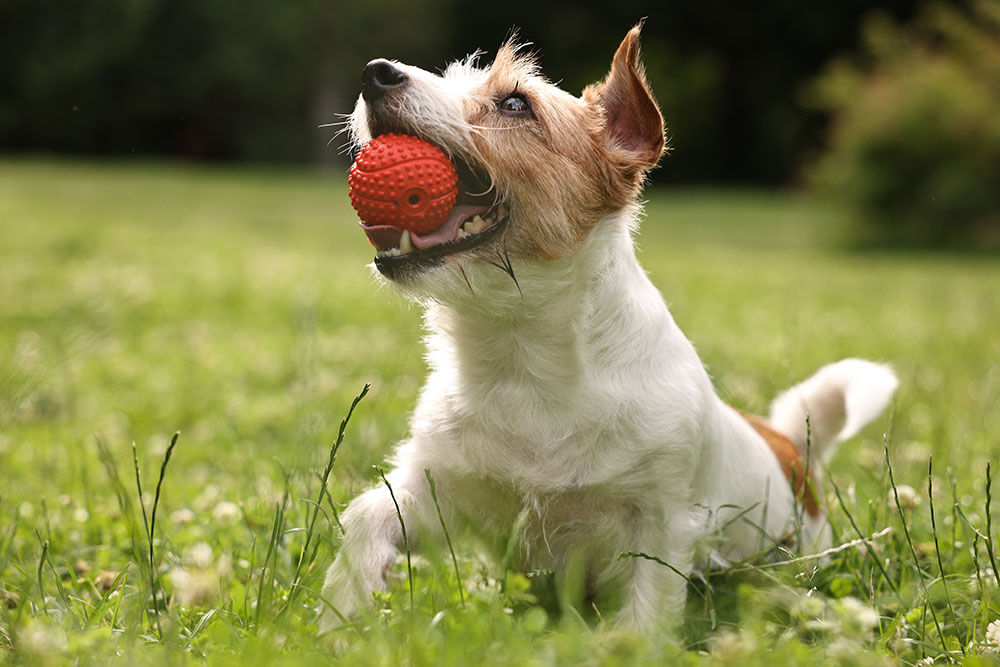
Chewing can help scrape away plaque, but not all “dental” products are safe or effective. Avoid anything harder than your fingernail. Dangerous chew items like bones, antlers, hard nylon, and ice can crack teeth.
Picking safer, effective options
Choose chews that have some flex and are sized to prevent swallowing
- Consider safe chew toys like soft rubber, certain rawhide alternatives, and VOHC-accepted dental chews
- VOHC-accepted options include OraVet and Veggiedent, and some dental chew toys
- Match texture and size to your pet’s chewing style, supervise, and rotate options to keep interest
During puppy and kitten wellness plan visits, we recommend age-appropriate choices that encourage healthy habits early.
What Home Care Cannot Replace
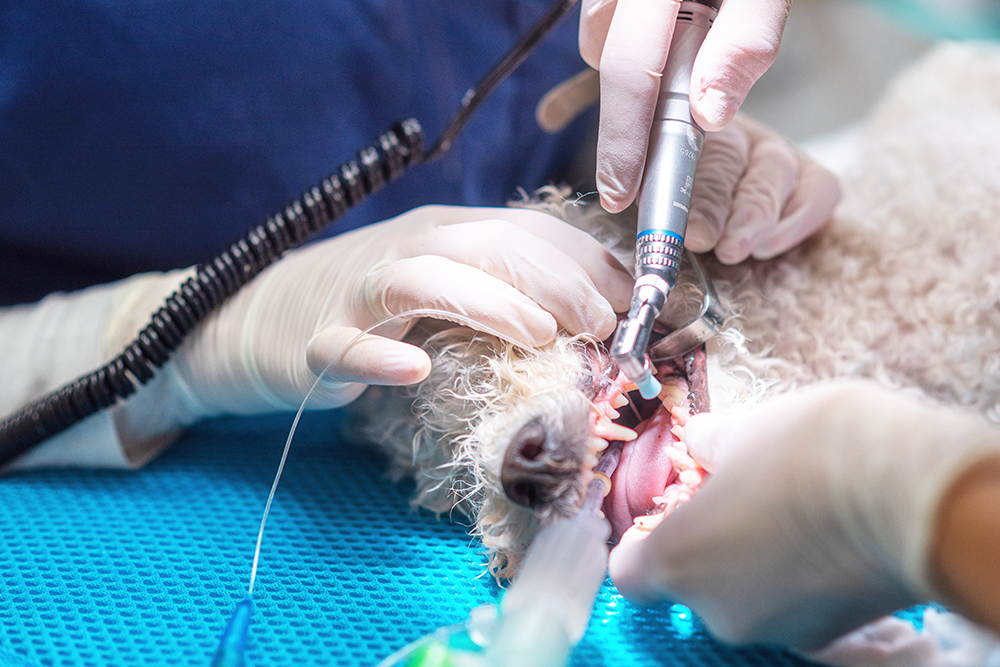
Home care can’t remove hardened tartar or treat disease below the gumline. Professional cleanings under anesthesia are essential for full care, including scaling above and below the gums, polishing, and dental X-rays to spot hidden issues.
Anesthesia keeps pets comfortable and safe and allows complete treatment. Anesthesia-free dental risks include leaving disease behind and increasing complications.
Home care and professional treatment work best together. How often your pet needs cleanings depends on breed, age, and tartar buildup. Our routine dental cleanings include thorough oral exams, radiographs, ultrasonic cleaning, and polishing, with a dedicated technician anesthetist and veterinarian monitoring vitals throughout the procedure. Our AAHA accreditation reflects our commitment to safety, pain management, and modern dental care.
Creating a Routine That Actually Happens
The best plan is the one you’ll do consistently. Tie dental care to a daily habit, like after dinner. Keep supplies handy and start with realistic goals- three times per week is much better than giving up on daily brushing.
Share the job across the household, adjust when something isn’t working, and try different toothpaste flavors or tools. Take occasional photos of teeth and gums to track progress. Reach out if you notice ongoing bad breath, red or bleeding gums, pain when eating, or visible tartar.
Quick Answers to Common Questions
How often should I brush my pet’s teeth?
Aim for daily. Every other day still helps. Three times a week is a solid start.
Can I just use dental chews or water additives?
They help, but they don’t replace brushing. Combine methods for best results and look for VOHC-accepted products.
Is human toothpaste safe for pets?
No. Use pet-formulated toothpaste only.
My pet hates brushing. What now?
Try wipes, enzymatic gels, or direct oral rinses. Use cooperative care techniques and keep sessions short and positive.
How do I know if my pet needs a professional cleaning?
Watch for bad breath, red or bleeding gums, pain when chewing, or yellow-brown buildup. Your vet will advise during annual wellness visits.
Are hard bones or antlers good for cleaning teeth?
No. They can fracture teeth. Review the dangerous chew items list and choose safer options.
Your Partner in Lifelong Oral Health
A simple, consistent home routine plus regular professional cleanings gives your pet the best chance at a healthy mouth. No single product works for every pet. The right plan fits your pet’s temperament and your routine.
Every small effort counts- brushing, wipes, safe chews, and enzymatic support all add up. We’ll help you choose effective products, demonstrate techniques, and personalize a plan that truly works for your household. Schedule a dental consultation so we can assess your pet’s oral health and build a home care routine that protects their teeth for years to come.


Leave A Comment