

Managing Feline Hypertension for Long-Term Health
It’s often a subtle shift. Maybe your cat seems a little less energetic, or their appetite changes slightly. When your veterinarian delivers a diagnosis of hypertension, it can feel alarming. How can something as simple as high blood pressure threaten the well-being of your animal- and why didn’t you notice it?
Hypertension in cats is frequently a secondary condition, a silent partner to common ailments like kidney or thyroid disease. Fortunately, with regular monitoring, appropriate medication, and a few simple lifestyle adjustments, we can stabilize your cat’s blood pressure, protecting their vital organs and ensuring they continue to live a high-quality life. Knowing the signs and committing to early detection is the first step toward effective, long-term treatment.
At Willow Wood Animal Hospital, we care for every pet as part of our family, combining advanced diagnostics with compassionate care to manage complex conditions like feline hypertension. Through wellness plans and individualized care strategies, our team helps cat owners stay proactive about health concerns long before complications arise.
How High Blood Pressure Affects Cats
Many pet parents are surprised to learn that cats can develop high blood pressure just like humans and with similar risks. Uncontrolled hypertension can damage blood vessels in the eyes, kidneys, heart, and brain, sometimes leading to sudden blindness or organ failure.
Because high blood pressure often develops slowly and without obvious symptoms, annual exams and screenings are essential. Even cats who seem healthy may already be experiencing subtle changes, such as retinal abnormalities or protein in the urine. For this reason, we often pair blood pressure testing with senior panels or monitoring for chronic kidney or thyroid disease at our AAHA-accredited practice. Early detection helps preserve vision, protect kidney function, and prevent long-term cardiac strain.
What’s a Normal Blood Pressure Reading for a Cat?
Normal systolic blood pressure in cats ranges from 120–140 mmHg. Readings above 160 mmHg indicate hypertension, while 140–160 mmHg is considered pre-hypertensive and requires close monitoring. When levels rise above 180 mmHg, the risk of organ damage increases significantly. Because hypertension progresses quietly and places increasing stress on delicate vessels, especially in the eyes and kidneys, routine screening is especially important for cats over seven years old.
Understanding Feline Hypertension
What Is Feline Hypertension?
Hypertension in cats refers to consistently elevated blood pressure that strains the heart and blood vessels. It most commonly affects senior cats and those with chronic illnesses such as kidney or thyroid disease. Over time, this excess pressure damages fragile capillaries, particularly in organs like the eyes and kidneys.
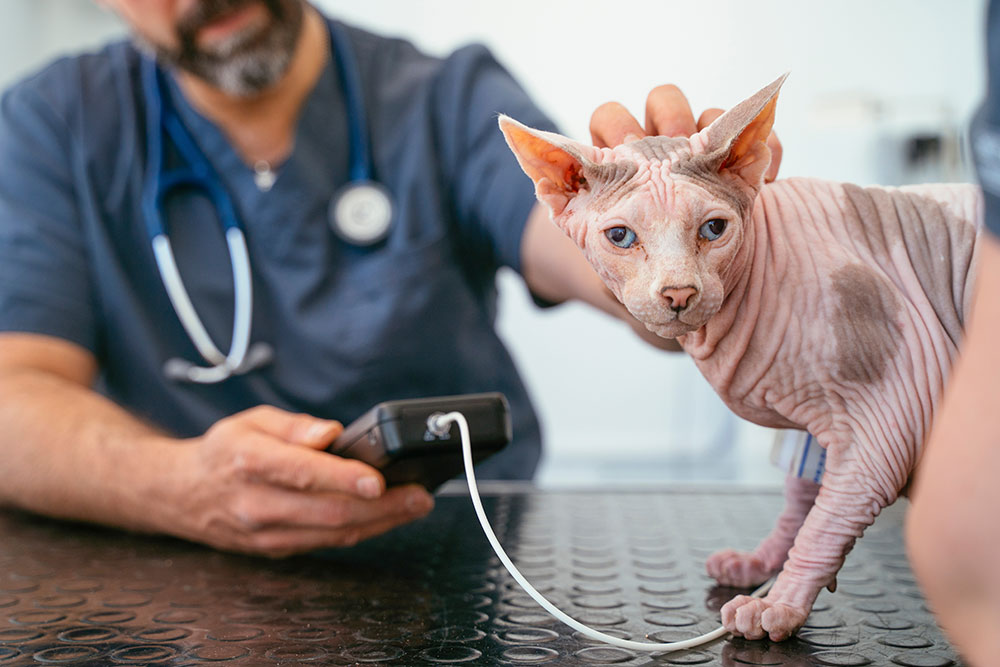
At Willow Wood Animal Hospital, we use noninvasive blood pressure monitoring to catch early changes before symptoms appear. Routine checks can prevent irreversible complications like retinal detachment, heart strain, or kidney decline- conditions we often see in older cats without prior screening. We also assess hydration, organ function, and eye health as part of every senior exam, ensuring no aspect of your cat’s wellbeing goes overlooked.
Common Causes of Feline Hypertension
Underlying Conditions That Drive High Blood Pressure
Hypertension is often a symptom of another disease rather than an isolated issue. The most frequent cause is chronic kidney disease, which reduces the kidneys’ ability to regulate blood pressure. Similarly, hyperthyroidism accelerates metabolism and elevates heart rate, increasing vascular strain.
Cats with heart disease are also at greater risk, as their hearts must work harder to push blood through damaged vessels. Meanwhile, metabolic disorders like diabetes can contribute to hypertension by affecting circulation and kidney function.
Environmental and nutritional factors can play a role as well. Diets high in sodium, untreated dehydration, or obesity can amplify the effects of underlying disease. Regular urinalysis and blood pressure measurement during wellness visits allow our team to identify these subtle patterns early. Our diagnostic capabilities, including bloodwork, thyroid screening, and cardiac evaluation, allow us to identify these underlying issues and create personalized treatment plans that target the root cause.
How Vets Diagnose and Treat Feline Hypertension
Early Signs to Watch for
Because cats are masters of disguise, the signs of high blood pressure can be subtle. One of the most visible early clues is a change in eyesight. Cats may develop dilated pupils, appear disoriented, or bump into objects. These issues often stem from retinal damage caused by elevated pressure, leading to feline vision problems or even sudden blindness.
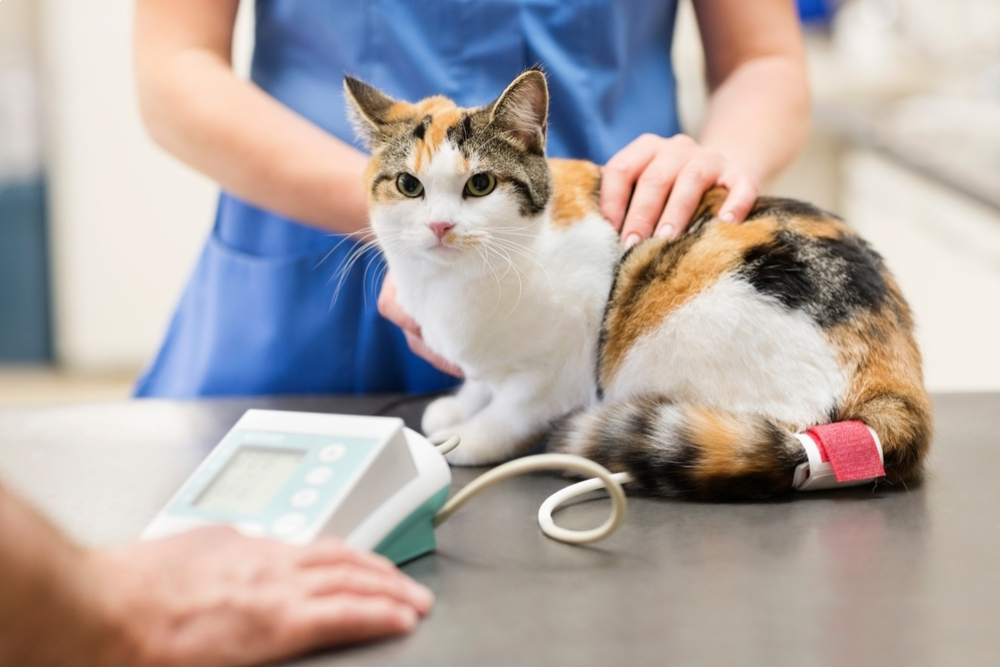
Other symptoms include lethargy, decreased appetite, behavioral changes, or nosebleeds. Because hypertension can mimic or mask other diseases, accurate diagnosis requires a thorough veterinary evaluation. At Willow Wood, we perform comprehensive exams using specialized blood pressure cuffs, ocular assessment, and lab testing to determine how blood pressure is impacting your cat’s organs.
We also use follow-up testing to confirm that readings remain consistent and not just stress-related. Cats often experience temporary spikes in blood pressure at the clinic, so calm handling and repeat measurements are essential for reliable diagnosis. This careful approach helps us tailor treatment precisely and avoid unnecessary medication.
How We Help Cats Live Well With Hypertension
Medications, Diet, and Ongoing Support
Once hypertension is diagnosed, our team develops an individualized management plan based on your cat’s age, health, and underlying conditions. Most cats respond well to medication that helps relax blood vessels and lower pressure. Alongside medication, we may recommend diet adjustments and consistent follow-ups to track progress.
Supporting overall wellness is also vital. Maintaining healthy weight and organ function plays a significant role in successful management. Our nutritional counseling includes guidance on weight management and targeted diets to minimize strain on the kidneys and liver, reducing the risk of related liver problems.
Long-term success depends on steady monitoring. We typically recheck blood pressure after the first few weeks of treatment, then every few months once stabilized. Regular communication between pet owners and our veterinary team ensures we adjust medication doses, track lab results, and modify diet or supplements as needed. Through routine rechecks and detailed communication, our veterinarians ensure that treatment plans evolve as your cat’s needs change, keeping blood pressure stable for the long term.
Lifestyle and Environmental Support for Your Cat
Reducing Feline Stress and Promoting Stability at Home
Cats thrive in environments that feel calm and predictable. Emotional stress can contribute to elevated blood pressure, so part of treatment includes managing daily routines and reducing anxiety triggers. Common life stressors, such as loud noises, sudden household changes, or lack of stimulation, can subtly raise heart rate and interfere with recovery.
Create safe, quiet spaces where your cat can retreat, and maintain steady feeding and medication schedules. Interactive play, pheromone diffusers, and gentle handling all help minimize stress. Our behavioral counseling services guide pet owners through enrichment and environmental planning to make home life healthier and more comfortable. Even small changes like providing vertical climbing areas or puzzle feeders can help regulate mood and energy, indirectly supporting blood pressure stability.
Ongoing Care and Monitoring for Feline Hypertension
The key to managing feline hypertension lies in early detection and consistent follow-up. Regular adult wellness plan renewals ensure your cat receives comprehensive monitoring for age-related changes. We recommend that senior cats have their blood pressure checked at least twice a year, or more frequently if they have kidney or thyroid disease.
At Willow Wood Animal Hospital, we believe that phenomenal care begins with partnership. Our team works closely with you to customize every step of your cat’s treatment, from diagnosis through long-term support. If you’ve noticed subtle behavioral or vision changes, or simply want to ensure your cat’s blood pressure is within a healthy range, contact us to schedule an evaluation today.
Through compassionate care, cutting-edge diagnostics, and AAHA-accredited excellence, we’ll help your cat live comfortably and thrive for years to come.


Leave A Comment