

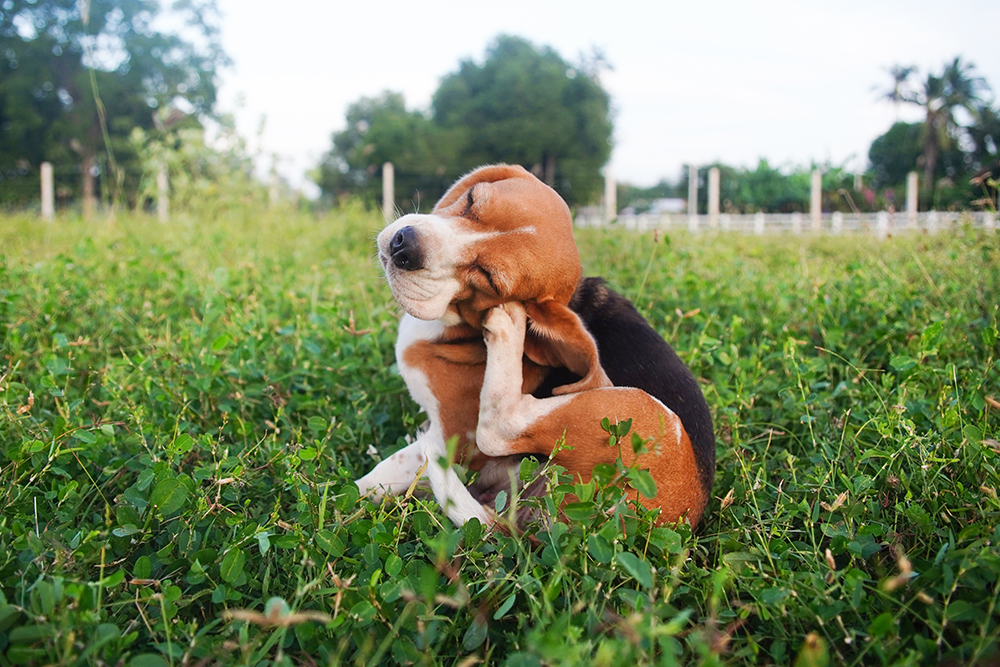
Hair loss tends to catch you off guard because most pets otherwise seem fine, at least at first. Next thing you know, your vacuum is filling faster than normal, a bald spot has appeared, or your pet is keeping themselves up at night with non-stop itching. The tricky thing about alopecia is that it is a symptom, not a diagnosis. Hormonal conditions like hypothyroidism or Cushing’s disease, skin infections, parasites, allergies, and autoimmune conditions can all cause similar-looking hair loss, and the treatment for each is completely different.
Willow Wood Animal Hospital is an AAHA-accredited practice with the diagnostic capability to distinguish between those possibilities. Our wellness plans provide a foundation of baseline health data that makes changes easier to catch early, and when something like hair loss crops up, our team will talk you through what we see, what testing makes sense, and what each result tells us about next steps. If your dog or cat in New Albany is losing hair or developing bald spots, contact us to schedule an appointment and get some answers.
What to Know
- Alopecia is a symptom rather than a diagnosis, with causes ranging from allergies and parasites to hormonal disease, infection, breed-related conditions, and behavioral overgrooming; treatment is matched to the underlying cause, not the hair loss itself.
- The pattern of hair loss often hints at the cause: patchy and itchy points to parasites or infection; symmetrical without much itching suggests hormones; circular bald spots with scaling at the edges raises concern for ringworm.
- Diagnostic workup typically reaches a clear answer within one or two visits using history, physical exam, skin scrapings, cytology, fungal testing, blood work, and sometimes biopsy.
- Most pets regrow their hair once the underlying cause is treated, though some breed-related and very chronic cases may have permanently affected areas.
What Is the Difference Between Normal Shedding and Alopecia?
Alopecia is the medical term for hair loss, and it is a symptom rather than a disease on its own. Normal seasonal shedding is uniform, expected, and does not leave bare patches. The fur thins evenly across the body during shedding seasons, and the skin underneath looks healthy.
Signs that warrant evaluation:
- Patchy or localized thinning outside seasonal patterns
- Bare spots where skin is clearly visible
- Redness, scaling, or scabbing on the skin
- Hair that does not regrow in expected timeframes
- Excessive scratching, licking, or chewing focused on specific areas
- Symmetrical pattern of hair loss on both sides of the body
- Coat changes including dullness, brittleness, or unusual color shifts
The pattern of hair loss often hints at the underlying cause. The general rules of thumb:
| Pattern | What It Often Suggests |
| Patchy hair loss with itching | Parasites or skin infection |
| Symmetrical hair loss without much itching | Hormonal involvement |
| Circular bald spots with scaling at the edges | Ringworm |
| Hair loss only in areas the pet can lick | Behavioral overgrooming or pain |
| Hair loss along the lower back and tail base | Flea allergy dermatitis |
The diagnostic process uses these patterns to narrow possibilities efficiently.
How Do Allergies Lead to Hair Loss in Pets?
Allergies are one of the most common causes of hair loss in pets. The mechanism: the immune system overreacts to triggers, causing inflammation and itching. The scratching and licking that follow are what damage hair and create bald spots. The hair loss itself is not directly caused by the allergy; it is caused by your pet’s response to the discomfort.
The trigger categories:
- Environmental allergens: pollens, grasses, mold, dust mites, and other airborne triggers cause atopic dermatitis, the most common allergic condition in dogs. Atopic disease often has seasonal patterns initially but can become year-round as pets become sensitized to more triggers.
- Food allergies: typically involve specific proteins. Identification requires elimination diet trials rather than blood tests, which are unreliable for food allergies.
- Flea allergy: the most common cause of allergic hair loss in cats, particularly affecting the lower back and base of the tail. Flea allergies are especially common in mild climates where flea exposure persists year-round, but even one flea bite can trigger weeks of itching in sensitized pets.
Dogs and cats present allergies differently. Dogs typically scratch, chew at paws, and develop ear infections. Cats often present with overgrooming, miliary dermatitis (small scabs), or symmetrical hair loss without obvious scratching.
What Parasites and Skin Infections Cause Hair Loss in Pets?
Even indoor pets can pick up parasites, and some are too small to see without a microscope. Parasites, bacterial overgrowth, yeast infections, and fungal disease are all common drivers of hair loss, and each requires a different treatment approach. Identifying the specific culprit is what turns a stubborn skin problem into a manageable one.
- Demodex mites: live in hair follicles and become problematic when the immune system cannot keep them in check. Localized demodicosis often produces small patches of hair loss on the face or legs in young dogs. Generalized demodicosis is more serious and warrants thorough evaluation for underlying immune compromise.
- Sarcoptic mange: causes intense itching and hair loss, particularly on the ears, elbows, and abdomen. Sarcoptic mange is highly contagious to other pets and can affect humans temporarily.
- Fleas: cause direct hair loss through chewing and grooming behaviors triggered by their bites. Year-round parasite prevention eliminates flea bites from the equation entirely; gaps in coverage create exposure windows that produce visible problems weeks later.
- Bacterial and yeast infections: contribute to hair loss when skin becomes inflamed and surface organisms overgrow. Pyoderma (bacterial skin infection) and Malassezia (yeast) infections often complicate other underlying conditions like allergies.
- Ringworm: a fungal infection that creates classic circular bald spots, often with scaling at the edges. Ringworm is contagious to people and other pets, particularly children and immunocompromised individuals. Diagnosis requires fungal culture or PCR testing.
Can Hormone Imbalances Cause Hair Loss in Pets?
When hair thins symmetrically along both sides of the body without much scratching, hormones are often involved. Thyroid disease, Cushing’s disease, sex hormone imbalances, and even owner topical hormone exposure can all produce the same general pattern. These changes can be gradual enough to go unnoticed until significant, which is why bloodwork plays a central role in this part of the workup.
Thyroid and Adrenal Conditions
Hypothyroidism in dogs affects the coat alongside energy and weight. Affected dogs typically show:
- Progressive coat thinning (often starting on the trunk and tail)
- Weight gain despite no diet change
- Lethargy
- Intolerance of cold
- Recurrent skin infections
Diagnosis is through blood testing, and treatment with daily oral thyroid hormone produces dramatic improvement over weeks to months.
Cushing’s disease (hyperadrenocorticism) produces a distinctive presentation:
- Thin, fragile skin with bilateral symmetrical hair loss
- Pot-bellied appearance
- Increased thirst, urination, and appetite
- Panting
The condition results from excess cortisol production. Diagnosis requires specific endocrine testing, and treatment depends on whether the source is the pituitary or adrenal glands.
Cats can develop hyperthyroidism causing a patchy, unkempt coat alongside weight loss, increased appetite, hyperactivity, and other systemic signs.
Sex Hormones and Topical Medication Exposure
Intact male dogs occasionally develop symmetrical hair loss from testicular tumors producing excess estrogen. Intact females can show similar changes from hormonal fluctuations. Spaying or neutering often resolves these cases.
Owner topical hormone exposure matters too. Pets can absorb hormones from hormone replacement creams or gels through skin contact or licking application sites. Dogs and cats living with people using estrogen, testosterone, or progesterone topicals can develop hair loss, mammary changes, or behavioral shifts. Identifying this exposure usually resolves the problem.
Why Routine Blood Work Matters for Coat Health
Hormone imbalances often show up on blood work before they become visually obvious. Routine blood work during wellness visits provides baseline values that make it easier to catch shifts early, and the trend over multiple visits often reveals developing disease while individual values still appear normal.
Which Breed-Related Conditions Cause Hair Loss?
Some dogs inherit coat conditions that cannot be cured but can be managed comfortably. Knowing breed tendencies helps set realistic expectations and rules out the more concerning causes before settling on a breed-specific diagnosis. Management typically centers on supportive skin care, nutrition, and sometimes light therapy rather than a curative treatment.
- Color dilution alopecia: affects dogs with diluted coat colors (blue, fawn, isabella) including Doberman Pinschers, Italian Greyhounds, and Whippets with these colorations. The hair shafts are structurally weak and break easily.
- Seasonal flank alopecia: produces symmetrical hair loss on the flanks, often with regrowth in opposite seasons. Boxers, Bulldogs, and a few other breeds are predisposed.
- Sebaceous adenitis: involves immune-mediated destruction of oil glands. Standard Poodles, Akitas, and Samoyeds are over-represented. Management focuses on supplementation, medicated bathing, and skin barrier support.
- Zinc-responsive dermatosis: affects Siberian Huskies and Alaskan Malamutes commonly. Treatment with zinc supplementation produces dramatic improvement.
Diagnosis of breed-related conditions requires ruling out other causes first.
Can Stress or Pain Cause My Pet to Lose Hair?
Pets, especially cats, can express emotional distress or physical pain through repetitive grooming that creates smooth, thin areas. The hair shafts are typically broken rather than absent at the follicle, distinguishing this from medical hair loss. Both stress-driven and pain-driven grooming can look identical on the surface, which is why a workup matters even when the cause seems obvious.
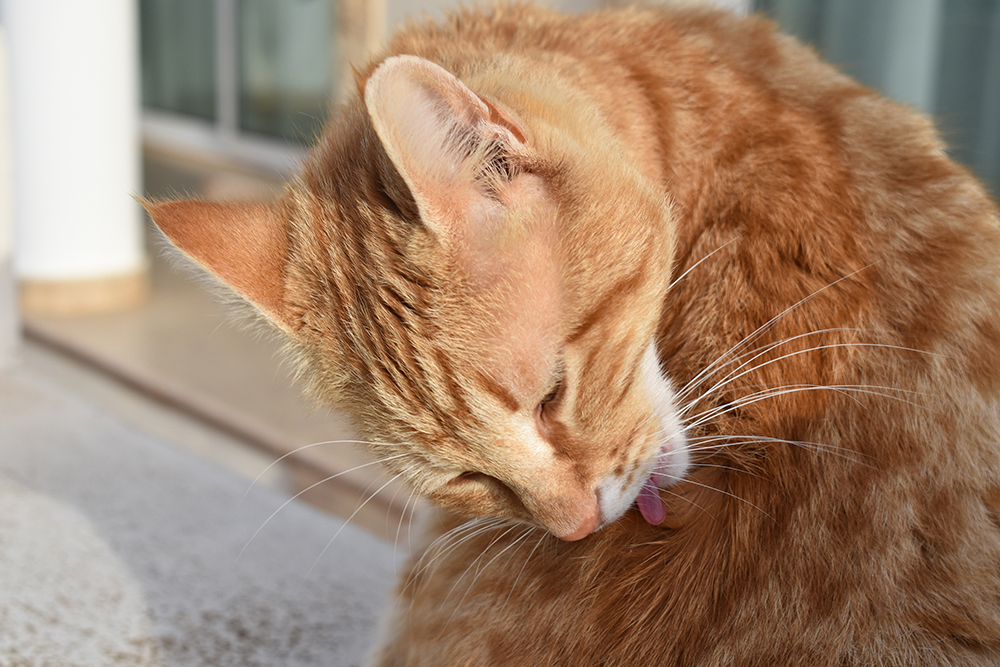
Psychogenic alopecia in cats produces hair loss in areas the cat can reach with its tongue: belly, inner thighs, lower back. The hair shafts are typically broken rather than absent at the follicle, distinguishing this from medical hair loss.
Common life stressors include:
- New pets introduced to the household
- Household changes like moves, schedule changes, or renovations
- Conflict with other cats
- Loss of resources or routine
Dogs can show similar patterns through repetitive licking of one spot, sometimes producing lick granuloma (acral lick dermatitis) that involves both behavioral components and the inflammatory cycle that develops once licking has begun.
Pain is another common but often overlooked driver of overgrooming. Pets lick, chew, or pull hair over areas that hurt even when the skin looks fine. Idiopathic cystitis in cats classically causes lower abdominal hair loss from licking. Osteoarthritis often produces hair loss over affected joints.
Pain-driven and stress-driven grooming can look identical, which is why diagnostics matter. The temptation to attribute everything to stress or behavior is what leads to missed underlying medical conditions.
How Does Grooming and Nutrition Affect Hair Loss and Itchiness?
Overbathing or harsh shampoos can strip natural oils and make hair fragile. Regular grooming with appropriate brushing improves circulation, removes debris, and distributes oils for a healthier coat.
The skin and coat are among the first places to show nutritional shortfalls because hair growth demands a steady supply of protein, fatty acids, zinc, and biotin. Pets on incomplete or poorly balanced diets can develop dull, thin coats with delayed regrowth after shedding.
What Happens During a Veterinary Hair Loss Workup?
The diagnostic process is more systematic than dramatic. The goal is reaching a clear diagnosis efficiently, which most cases accomplish within one or two visits using straightforward testing. The key steps:
- Take a detailed history covering when the hair loss started, where it appeared first, whether your pet is itchy, what other pets in the home are doing, recent diet changes, current parasite prevention, and any recent stressors
- Physical exam and pattern mapping to localize the hair loss and look for associated findings
- Run in-house testing including skin scrapings (for mites), cytology (for bacteria, yeast, and inflammatory cells), and trichoscopy (microscopic examination of plucked hairs)
- Order fungal culture or PCR when ringworm is suspected
- Run blood work and endocrine panels when hormonal causes are on the differential
- Evaluate for allergies through elimination diets for food allergies or formal allergy testing for environmental triggers
- Take a skin biopsy in selected cases where the diagnosis remains unclear
Most cases reach a diagnosis within the first one or two visits. Complex or unusual cases may require more extensive workup or specialty dermatology referral.
How Is Hair Loss Treated?
Because many different conditions cause alopecia, treatment is always matched to the specific diagnosis. There is no single treatment for hair loss; the right approach depends on whether the underlying cause is allergic, parasitic, infectious, hormonal, behavioral, or nutritional. Most pets show meaningful improvement within weeks to months of starting the correct treatment, though some conditions require long-term management.
The treatment approaches by category:
- Allergies: anti-itch medications, environmental management, elimination diets when food-related, allergy immunotherapy for confirmed environmental allergies, and supportive bathing and topical therapy
- Parasites: appropriate antiparasitic medications, environmental treatment when needed (fleas), and prevention of reinfection
- Infections: targeted antibiotics for bacterial infections, antifungals for yeast and ringworm, and topical therapy as appropriate
- Hormonal conditions: hormone replacement (hypothyroidism), medications to control hormone production (Cushing’s disease, hyperthyroidism), or surgery (sex hormone imbalances)
- Stress-related grooming: environmental management, behavior modification, and sometimes anxiolytic medications
- Pain-driven grooming: identifying and treating the underlying pain source
- Nutritional gaps: dietary changes and targeted supplementation
- Breed-related conditions: supportive management, often lifelong
Follow-up rechecks confirm regrowth, fine-tune medications, and catch secondary issues early. Staying engaged through the full treatment course, rather than stopping medications when initial improvement appears, is what produces lasting results.
Frequently Asked Questions About Pet Hair Loss
Will my pet’s hair grow back?
Usually yes, once the underlying cause is treated. Some breed-related conditions and very chronic cases may have areas of permanent hair loss. The earlier treatment begins, the better regrowth tends to be.
Is my pet’s hair loss contagious?
It depends on the cause. Ringworm, sarcoptic mange, and fleas are contagious to other pets and sometimes humans. Allergies, hormonal conditions, and most other causes are not. Diagnosis determines whether other pets in the home need treatment too.
Can I just use over-the-counter products?
OTC products may help mild cases but will not address the underlying cause when there is one. The risk of self-treatment is delaying proper diagnosis while the underlying issue progresses.
How long does it take to see improvement?
Treatment timelines vary substantially. Bacterial infections often improve within 1 to 2 weeks. Hormonal conditions may take 2 to 3 months for full coat recovery. Allergies are often a long-term management situation rather than a one-time fix.
My pet seems fine otherwise. Do I really need to bring them in?
Yes. Many of the conditions that cause hair loss are easier to manage when caught early. Waiting until your pet seems sick often means the disease is advanced.
Restoring Your Pet’s Coat Health
Most cases of hair loss improve significantly once the cause is identified and treated. Whether your pet is scratching, quietly overgrooming, or showing symmetrical thinning, there is a clear path forward. The diagnostic process moves systematically from the visible findings to the underlying cause, and treatment follows from accurate diagnosis.
Our team at Willow Wood Animal Hospital provides thorough diagnostic evaluation and personalized treatment plans for hair loss cases. Contact us to schedule an appointment and start working through what is happening with your pet’s coat.

Leave A Comment