

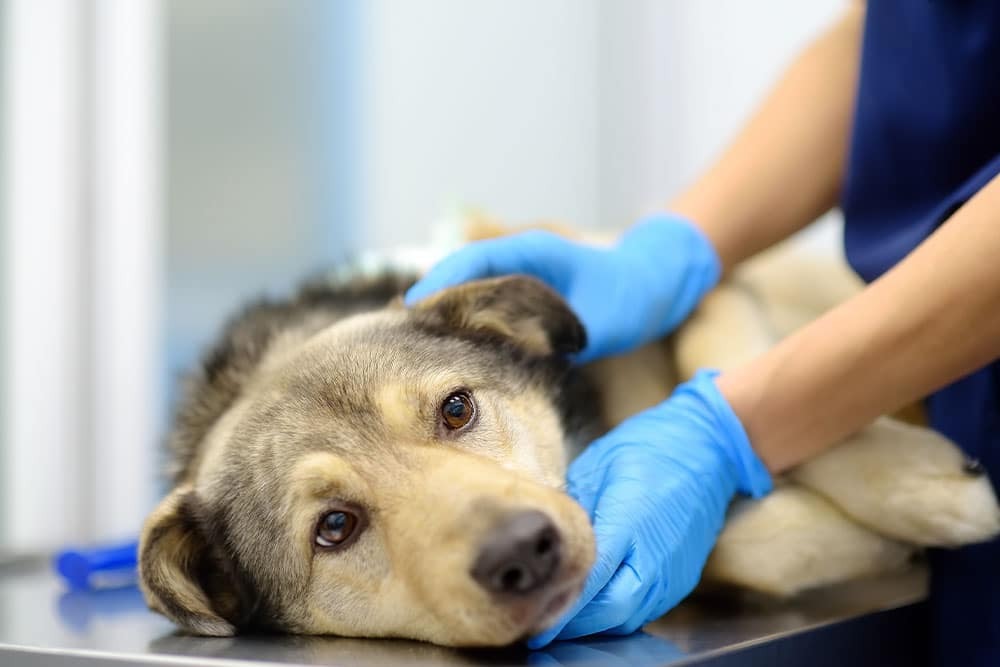
It often happens during a relaxed evening on the couch: you run your hand along your dog’s neck and feel a firm, rounded swelling that was not there before. Or during a routine exam, your vet notices several of your cat’s lymph nodes are larger than normal. Lymph nodes are part of the immune system’s surveillance network, and when they enlarge (a finding called lymphadenopathy), it is a sign that the body is responding to something. That something can range from a small, localized infection to a tick-borne illness, an immune-mediated disease, or in some cases, cancer. The good news is that a systematic workup can tell us which.
At Willow Wood Animal Hospital, our AAHA-accredited team uses a methodical diagnostic approach to determine what is driving lymph node enlargement in your pet. From fine-needle aspiration to advanced bloodwork and imaging, we tailor the workup to your pet’s clinical picture and keep you involved in every decision. If you have noticed a new swelling or lump, contact us to schedule an evaluation so we can get a clear picture of what is going on.
What Do Lymph Nodes Do and Where Are They Located?
Lymph nodes are immune checkpoints that filter lymph fluid and coordinate the immune response when bacteria, viruses, or other threats are detected. They work invisibly most of the time, which is why enlargement is always worth paying attention to: it means something in the surrounding tissue or circulation has activated them. Usually, they are the size of a bean and not noticeable. If you can feel one, it’s probably enlarged.
Knowing the lymph node locations in dogs helps connect what you find to its anatomical source. A lymph node chart can be a helpful visual reference. The nodes you can feel from the outside include:
- Mandibular nodes beneath the jaw
- Prescapular nodes in front of the shoulders
- Axillary nodes in the armpits
- Inguinal nodes in the groin
- Popliteal nodes behind each knee
The node closest to a problem is often the first to respond. A single swollen node under the jaw typically traces back to something in the oral cavity or on the face. Nodes swollen across multiple groups simultaneously suggest a systemic process. Routine physical examinations, including lymph node palpation, are part of every wellness visit here. Our wellness plans include the regular checkups that turn lymph node changes from a one-time discovery into a trend we can evaluate over time.
What Causes Lymph Nodes to Swell in Pets?
Lymph nodes swell for a wide range of reasons: infection, immune response, or the presence of abnormal cells like cancer. The pattern of involvement (which nodes are enlarged, how firm and painful they are, and whether swelling is isolated or distributed) provides meaningful diagnostic information before any testing even begins. A single node near an injury points toward a local problem. Multiple nodes across body regions point toward a systemic process. Painful, warm nodes lean toward infection. Painless, firm, symmetric nodes are more often associated with cancer.
Infections and Reactive Lymph Node Swelling
Bacterial, viral, fungal, and parasitic infections are among the most common causes of lymphadenopathy.
Local infections cause the nearest node to activate. A popliteal node swollen behind the knee frequently reflects a wound, abscess, or skin infection on the lower leg. A firm mandibular node often traces back to a dental abscess, facial wound, or oral infection.
Systemic infections affect multiple node groups at once. In central Ohio, several specific organisms deserve attention.
- Tick-borne disease: Lyme disease is a year-round consideration here, and ehrlichia and anaplasma from tick bites directly affect white blood cells and commonly cause lymph node changes alongside fever, lethargy, decreased appetite, and low platelet counts.
- Bacterial disease: Leptospirosis spreads through contaminated water sources and is a multi-system disease that is also transmissible to people. Mycobacteriosis in cats is a less common but important cause of chronic lymph node swelling in cats with outdoor or wildlife exposure.
- Fungal disease: Fungal disease is a real concern in the Midwest. Blastomycosis is the most commonly diagnosed deep fungal infection in Ohio dogs, particularly in areas near rivers, lakes, and decaying organic material. Histoplasmosis is endemic to the Ohio and Mississippi River valleys and often presents with lymph node involvement.
- Viral disease in cats: Feline leukemia virus and feline immunodeficiency virus both affect lymph node function, one through immune suppression and the other through chronic immune response.
- Parasitic disease: Toxoplasmosis, intestinal parasites, giardia, and heavy external parasites loads from fleas and ticks all drive immune response and lymph node enlargement.
Tick-borne and regional infectious disease screening is part of our workup for unexplained lymph node enlargement, particularly for dogs with outdoor access in New Albany’s wooded neighborhoods and parks.
Cancer as a Cause of Lymph Node Swelling
Canine lymphoma is one of the most common malignancies in dogs and one of the most frequent causes of sudden, dramatic, symmetrical lymph node swelling across multiple groups. What makes the discovery so often surprising is that many dogs appear completely healthy, eating and playing normally, while visibly enlarged nodes are present throughout their body.
Lymphoma diagnosis and subtype shapes the entire treatment and prognosis conversation, which is why accurate early testing is so important. Two dogs with lymphoma can have very different outlooks depending on which subtype is present, and the right chemotherapy protocol depends on getting that information up front.
Feline lymphoma is similarly common in cats, though it more often involves the gastrointestinal tract than peripheral nodes visible on the surface. Other types of cancer in pets can also spread regionally, called metastasis. Any enlarged node near a known mass warrants prompt evaluation.
Immune-Mediated Conditions, Allergies, and Other Causes
Non-infectious, non-cancerous conditions can also produce lymphadenopathy. These are often indistinguishable from the more common causes on physical exam alone, which is why the workup looks the same regardless of what we initially suspect.
- Immune-mediated hemolytic anemia: the immune system attacks the pet’s own red blood cells, producing lymph node changes alongside pale gums, weakness, and anemia
- Allergies and atopic dermatitis: chronic skin inflammation and secondary skin infections can cause the nodes draining affected areas to stay enlarged long-term
- Vaccination reactions: localized node swelling near a recent vaccine site is typically transient and self-resolving within a few weeks
- Lymphedema: impaired lymph drainage, which can cause swelling in a limb or body region rather than discrete node enlargement
How Are Enlarged Lymph Nodes Diagnosed?
Diagnosing lymph node enlargement is a stepwise process that moves from physical findings to targeted testing, with each step informing the next.
What the Physical Exam Reveals
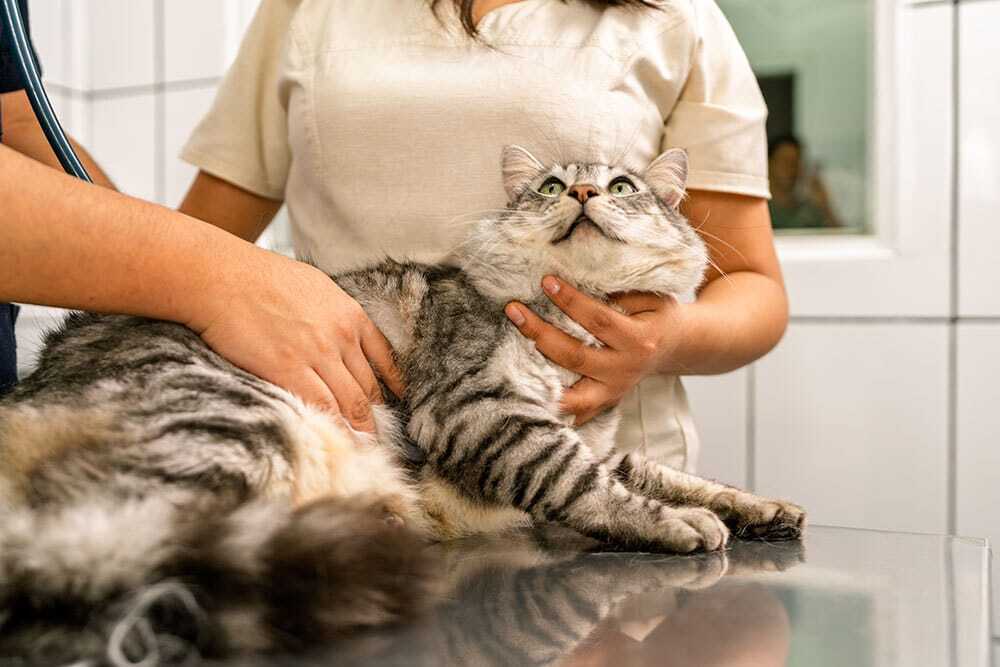
A thorough examination assesses size, texture, consistency, symmetry, tenderness, and whether nodes move freely or feel fixed to the underlying tissue. The pattern directs what happens next. Painless, firm, symmetric swelling across multiple groups in a pet who otherwise seems well points strongly toward a systemic process. A single warm, tender node near a recent wound or active skin infection points toward local reactive inflammation.
The full exam also covers gum color, abdominal palpation, body weight, and body condition. We consider the whole patient, not just the node that prompted the appointment.
Fine-Needle Aspiration and Biopsy
Fine-needle aspiration (FNA) is typically the first diagnostic step when the examination warrants investigation. A small needle placed into the node collects cells for microscopic evaluation. The procedure takes only a few minutes, most pets tolerate it without sedation, and the discomfort is comparable to a standard vaccine injection.
Cytology vs biopsy comes down to what the FNA shows and what question still needs answering. Cytology answers the central question in many cases: are these cells consistent with reactive inflammation, infection, or cancer? When FNA is inconclusive or when tissue architecture is needed for grading and definitive treatment planning, biopsy provides greater depth. Our services include surgical lymph node biopsy when that level of sampling is required.
Blood Work, Tick Testing, and Imaging
A complete blood count and chemistry panel screen for systemic infection, organ involvement, and metabolic contributors. Tick-borne disease panels and infectious organism testing are included when exposure risk is present. Chest and abdominal radiographs assess internal node involvement and organ changes not detectable from the surface. Ultrasound provides real-time visualization of internal nodes and organ architecture, and staging imaging guides treatment and prognosis when lymphoma is under serious consideration.
Our in-house diagnostic capabilities let us work through this workup efficiently, with many results available the same day.
Treatment Matched to the Diagnosis
Starting treatment before the cause is confirmed leads to wrong medications and delayed resolution. Once we know what we are dealing with, treatment is specific and targeted.
| Cause | Treatment |
| Bacterial infection | Targeted antibiotics; source treatment (dental, wound) |
| Tick-borne illness | Specific antimicrobials based on the confirmed organism |
| Fungal infection | Extended antifungal therapy, often for months |
| Lymphoma | Chemotherapy protocol tailored to subtype |
| Metastatic cancer | Based on primary tumor; surgical, oncologic, or palliative |
| Reactive lymphadenopathy | Treat underlying cause; monitor for resolution |
| Immune-mediated disease | Immunosuppressive therapy |
For lymphoma, remission rather than cure is the achievable goal for most patients. Many dogs with lymphoma that responds to treatment gain one to two or more years of good quality life. The conversation about treatment is honest, specific to your pet’s diagnosis and health status, and conducted with your family’s values and your pet’s comfort as the central concerns.
How Can You Reduce the Risk of Lymph Node Problems?
Not every cause of lymphadenopathy is preventable, but many common infectious triggers are. Consistent preventive care is also the most reliable way to catch the non-preventable causes early, when more treatment options remain available.
- Stay current on preventive care and vaccinations. Core vaccines, plus lifestyle-appropriate vaccines against FeLV for cats and Lyme disease and leptospirosis for dogs, directly prevent several causes of lymph node swelling. Our adult wellness plans and puppy and kitten plans keep the schedule on track.
- Protect dental health. Chronic dental disease produces constant bacterial load that activates the mandibular lymph nodes. Regular professional cleanings and home dental care reduce that burden.
- Maintain consistent parasite prevention. Year-round flea, tick, heartworm, and intestinal parasite prevention removes some of the most common infectious triggers before they become a clinical finding.
How Quickly Should You Come In?
Same-day evaluation:
- Swelling that appeared rapidly over hours to a day
- Throat area enlargement affecting swallowing or breathing
- New swelling alongside lethargy, pale gums, or labored breathing
- Collapse or weakness
Schedule within 24 to 48 hours:
- Newly discovered firm lump that was not present at a prior exam
- Known lymph node that has grown since last measured
- A node near a known mass that has changed
Schedule within a week or at next available:
- Gradual enlargement without other acute symptoms in an otherwise well pet
When you are uncertain about which tier applies, call us. We would rather hear about something that turns out to be nothing than miss something that needed earlier attention.
How to Check Your Pet’s Lymph Nodes at Home
A brief monthly home check adds meaningful surveillance between wellness appointments. Gently feel the following locations:
- Under the jaw on both sides
- In front of each shoulder
- In the armpits
- In the groin
- Behind each knee
You are not assessing exact sizes; you are noticing whether something feels different from last month. Any change that is new, firm, or enlarging deserves a call.
Frequently Asked Questions
Can a swollen lymph node resolve without treatment?
Reactive nodes from resolving infections often return to normal size as the underlying problem clears. Nodes that stay enlarged beyond two to three weeks, are growing, or appear alongside other symptoms should not be watched indefinitely at home.
Should my pet be seen even if they seem completely healthy?
Yes. Lymphoma in particular produces significant node swelling before most other signs appear. A pet who seems healthy can still have a finding that warrants prompt workup, and earlier investigation consistently produces more treatment options.
How long does the diagnostic process take?
FNA cytology results from our reference laboratory return within a few business days. In-house bloodwork is available the same day. Histopathology from biopsy takes one to two weeks.
Is fine-needle aspiration painful for pets?
For most pets, no. The sensation is comparable to a vaccine injection, the procedure is over in seconds, and sedation is rarely needed. Pets who are particularly anxious or sensitive may receive a mild sedative for comfort.
From Discovery to a Clear Answer
The most anxious part of finding a lump is not knowing what it means. A systematic diagnostic process leads to a clear answer and a plan, and earlier evaluation consistently means more options remain available.
Lymph node changes caught at a routine wellness exam, before any other symptom develops, represent the best-case scenario for nearly every cause. A treatable infection can be identified and addressed. Lymphoma caught before it progresses gives treatment the best starting position.
Request an appointment to schedule an evaluation for any new swelling, or to set up a wellness plan that keeps us ahead of changes before they become concerns.

Leave A Comment