

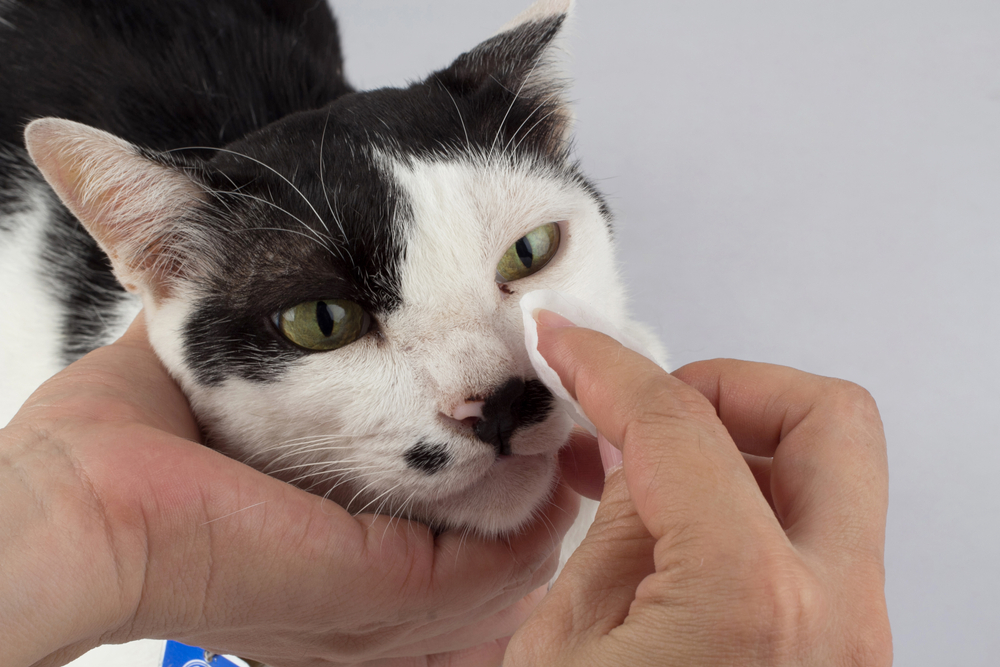
A watery, red, or cloudy eye is worth taking seriously, because the signs that look mild from across the room can become vision-threatening in hours. Eyes are delicate, and problems there can move fast. A little squinting or discharge can point to something as simple as mild irritation, or to a corneal injury, infection, or glaucoma that gets worse by the hour. A small issue caught quickly is usually very treatable, while the same problem left alone can turn into a painful ulcer or cost your pet part of their vision.
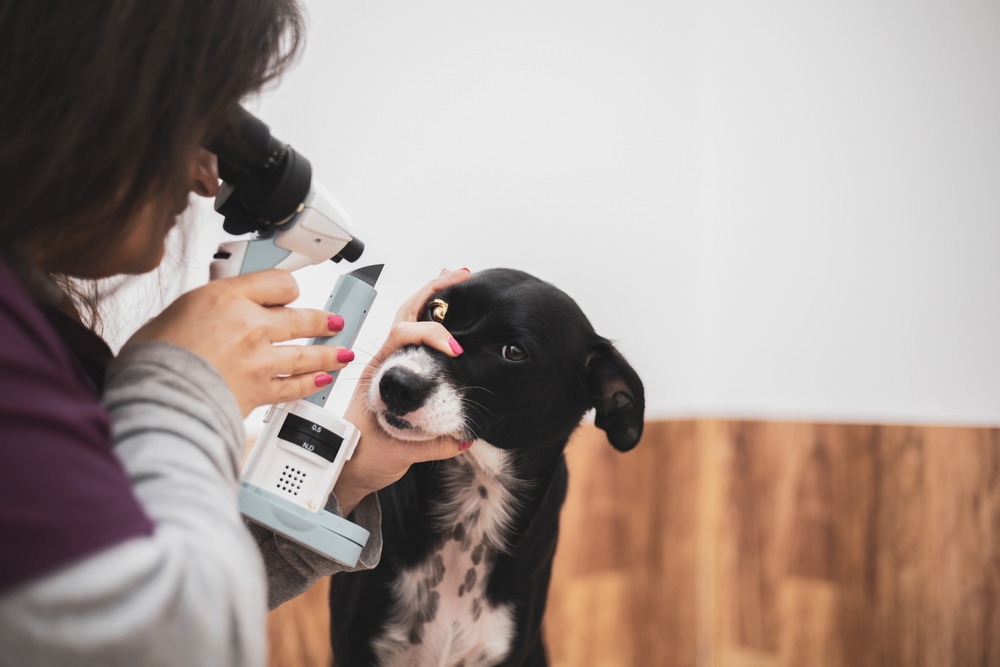
At Willow Wood Animal Hospital in New Albany, we use focused ophthalmic exams and in-house diagnostics to tell the difference between a passing irritation and a problem that needs prompt treatment. Eye trouble often cannot wait, so we keep room for same-day and urgent visits and can get your pet comfortable while we find the cause. Our AAHA-accredited wellness and preventive exams that include a close look at the eyes are also a good chance to catch early changes before they become painful. If your pet’s eye looks off, please reach out to us so we can take a look right away.
Quick Facts on Eye Problems
- A watery, red, cloudy, or squinting eye can be a passing irritation or the first sign of an ulcer, glaucoma, or infection, and telling those apart quickly is what protects your pet’s vision.
- Some eye problems are true emergencies, so severe redness, an eye held shut, a bulging eye, or sudden blindness all need same-day evaluation rather than a wait-and-see approach.
- Many chronic eye conditions like dry eye and glaucoma are caught earliest during routine wellness visits, before your pet is in pain, which is why we include a close look at the eyes in every exam.
- Because pets cannot tell you their eyes hurt, learning to spot squinting, face-rubbing, and light sensitivity at home lets you get ahead of problems that move fast.
What Are the Most Common Eye Problems in Dogs and Cats?
Dogs and cats develop a wide range of eye problems, from mild irritation to sight-threatening disease, and many look alike early on. A red, watery, or squinting eye is the signal that something is wrong. Some causes are allergies, infections, or a scratch; others are genetic or part of aging. Because pets cannot tell you their eyes hurt, the signs of eye pain are behavioral: squinting, rubbing the face against furniture, and pulling away from bright light.
Early on these conditions are hard to tell apart, which is what a good exam is for. Below is a quick map of the ones we see most, and our focused eye exams and in-house diagnostics sort out which is which before it does harm.
| Condition | What you might notice | Why it needs attention |
| Corneal ulcer | Squinting, tearing, a dull spot on the surface | Can deepen and threaten vision |
| Cherry eye | Red mass in the corner of the eye | Leads to chronic irritation and dry eye |
| Glaucoma | Red, cloudy, painful, possibly enlarged eye | Can blind quickly if pressure is not lowered |
| Cataracts / nuclear sclerosis | A cloudy or bluish lens | Cataracts can steal vision; sclerosis is normal aging |
| Dry eye | Thick discharge, redness, dull surface | Scars the cornea without lifelong care |
| Conjunctivitis / uveitis | Redness, swelling, discharge, cloudiness | Points to infection, allergy, or deeper disease |
| Eyelid or eyelash problems | Rubbing, tearing, hair touching the eye | Can wear an ulcer into the cornea |
Corneal Ulcers
A corneal ulcer is an open sore on the clear surface of the eye, and it is one of the most painful, fastest-moving problems we treat. A scratch from a branch, rough play, trapped debris, or a hard rub can wear through the surface and create corneal ulcers that deepen within a day or two if left alone, putting vision at real risk. Watch for squinting, tearing, and a dull or hazy patch on the surface. A fluorescein stain shows us exactly how deep an ulcer runs, so we can match the treatment to its severity rather than guessing.
Cherry Eye
Cherry eye is the tear gland of the third eyelid slipping out of place, showing up as a startling red bulge in the inner corner of a dog’s eye. It looks alarming but is rarely an emergency. Left out of position, though, cherry eye stays inflamed and can stop the gland from making tears, which sets up lifelong dry eye. That is why we reposition the gland surgically rather than removing it, preserving the tear production your dog will need for the rest of their life.
Glaucoma
Glaucoma is a painful buildup of pressure inside the eye that can destroy vision within hours to days if it is not brought down fast. Affected eyes look red, cloudy, and often enlarged, and your pet may go quiet or off their food from the pain. Because glaucoma moves so quickly, rapid eye-pressure testing is what gives us options, from pressure-lowering medication to surgery. The sooner we measure the pressure, the more sight we can usually protect.
Cataracts and Nuclear Sclerosis
A cloudy or bluish lens in an older pet can mean two very different things, and telling cataracts and nuclear sclerosis apart matters. Nuclear sclerosis is the gentle haze of normal aging and leaves vision largely intact. Cataracts are denser, can progress to blindness, and when they appear suddenly in a dog are a reason to screen for diabetes with bloodwork, since new cataracts are sometimes the very first visible sign that blood sugar is out of control.
Dry Eye
Dry eye, known medically as keratoconjunctivitis sicca, is a chronic shortage of tear production that leaves the surface of the eye irritated, red, and coated in thick, stringy discharge that keeps coming back no matter how often you wipe it away. Without enough tears to protect it, the cornea can scar over time and vision suffers. Dry eye usually needs daily medication for life to keep the eye lubricated and comfortable, along with routine rechecks so we can catch scarring before it sets in. Because it develops quietly, we like to include tear testing at wellness visits for at-risk pets so treatment starts early rather than after the damage is done.
Conjunctivitis and Uveitis
Redness, swelling, and discharge around the eyelids usually point to conjunctivitis, which can trace back to allergies, bacteria, viruses, or irritants, so an exam and lab testing aim treatment at the real cause instead of masking it. Cats are especially prone through feline herpesvirus, which can flare again and again over a lifetime, often when a cat is stressed. Deeper inside the eye, uveitis is inflammation of the vascular layer that brings pain, cloudiness, and pupil changes, and because it can stem from infection, autoimmune disease, trauma, or cancer, finding it sends us looking beyond the eye for the underlying cause.
Pannus
Pannus is an immune-mediated condition of the cornea seen most in middle-aged German Shepherds, where a creeping film of pigment and blood vessels spreads across the surface and clouds vision over time. High altitude and strong UV exposure intensify it, so bright, sunny stretches tend to make it worse. Most cases of pannus respond well to long-term anti-inflammatory medication and steady monitoring, and protective eyewear can block much of the UV that drives the flare-ups.
Uveal Cysts
Uveal cysts are fluid-filled bubbles that arise from the iris or the ciliary body and either float freely in the eye or stay attached to the iris. They turn up more often in Golden Retrievers, Labradors, and Great Danes, and the reassuring news is that most uveal cysts are benign and need no treatment at all. What matters is confirming that a dark, round structure really is a harmless cyst rather than a tumor, which is a quick job during an eye exam, and then simply keeping an eye on it over time.
Tear Staining
Those reddish-brown streaks below the eyes are tear stains, caused by porphyrin pigments in the tears, and they show up most in light-colored breeds where the color really stands out. Sometimes they are simply a cosmetic issue, but staining can flag a blocked tear duct, eyelid or eyelash disorder, allergies, or an infection worth checking.
Eyelid and Eyelash Disorders
Several conditions affect the eyelids and lashes themselves, and because these structures sit right against the eye, they can rub an ulcer into the cornea if they are left alone. Three come up most often.
Entropion and Ectropion
Entropion is an eyelid that rolls inward so the lashes and hair scrape the cornea, common in Shar-Peis, Bulldogs, and Chow Chows, and it usually needs surgery to remove a precise strip of skin and turn the lid back out. Ectropion is the opposite, an outward-rolling or drooping lower lid seen in Bloodhounds and Basset Hounds that exposes the delicate inner tissue to dust and drying. Care ranges from lubricating drops for mild cases to surgical shortening of the lid.
Abnormal Eyelashes
Distichiasis is extra lashes growing from abnormal spots along the lid margin, while trichiasis is normally placed hair that turns back toward the eye, common in flat-faced breeds. Both can drag across the cornea and cause irritation or even ulcers. When they cause trouble, we remove them with a minor procedure or cryotherapy that keeps them from growing back into the same problem.
Eyelid Tumors
Growths along the lid margin are common in older dogs and are usually benign, but in cats most eyelid tumors are malignant, so a new lid mass on a cat deserves prompt attention. Depending on the type and size, we remove them with surgery, cryotherapy, or laser, working to protect both the eye and the lid’s ability to blink and spread tears.
Which Eye Symptoms Need Same-Day Care?
Some eye problems move too fast to wait. Severe redness, an eye held shut, constant squinting, thick discharge, a suddenly bulging eye, or any loss of vision all need same-day evaluation, not a wait-and-see approach. These signs point to pressure spikes, deep ulcers, or injuries that can cost sight within hours, so when you see one, the safest move is to call us right away.
Willow Wood Animal Hospital handles urgent and same-day eye concerns during our regular weekday hours, and for anything that happens after we close, the nearest veterinary emergency hospital is the right call.
What Should I Do If My Pet Has Eye Pain or Something in Their Eye?
A pet suddenly pawing at a swollen, cloudy, or painful eye needs to be seen quickly. Penetrating injuries, chemical splashes, and visible foreign objects are the eye emergencies that cannot wait, and even something small lodged out of sight can scratch the surface into a rapid ulcer. A foxtail or grass awn tucked under the third eyelid is a classic example, since it keeps working its way in until it is found and removed. Resist the urge to flush a chemical or dig out an object at home beyond a gentle rinse, and call us on the way in.
What Causes Sudden Blindness in Dogs and Cats?
Sudden blindness is frightening to witness, and it always deserves a prompt visit, because some causes are treatable when we catch them early. The signs are often behavioral: a pet bumping into furniture that has not moved, pupils that stay wide and unresponsive, or a disoriented, clingy demeanor. Sudden blindness can come from retinal detachment, high blood pressure, or other whole-body diseases, so finding the driver often means looking well beyond the eye. One specific cause is SARDS, where vision disappears over a few days as the light-sensing retina rapidly degenerates. In older cats especially, hypertensive retinopathy from undiagnosed high blood pressure can detach the retina, which is one reason we screen senior pets carefully.
Why Does My Pet’s Eye Look Bulging or Enlarged?
An eye that suddenly looks larger, bulging, or pushed forward is a genuine emergency, and getting in quickly can be the difference between saving and losing sight. Enlargement can signal acute glaucoma, where a rapid pressure spike can cause permanent blindness within hours. In flat-faced breeds, or after trauma, ocular proptosis can push the eye forward until the eyelids trap it out of the socket, which is both intensely painful and extremely time-sensitive. Both hurt a great deal and need immediate care, so call us or the nearest emergency hospital on your way in.
How Do You Treat Eye Problems in Pets?
Treatment is always built around your individual pet, since the plan for a shallow scratch looks nothing like the one for glaucoma or lifelong dry eye. Some pets need a short course of drops, others surgery, others long-term monitoring. Whatever the diagnosis, we aim to ease pain, protect the cornea, and preserve as much vision as we can, mapping out the plan from the exam findings and a real conversation with you.
How Can I Protect My Pet’s Eyes at Wellness Visits?
The easiest eye problems to manage are the ones we catch before they hurt, which is why the exam matters even when nothing looks wrong. Preventive eye care at wellness visits gives us a chance to spot early cataracts, dry eye, and subtle corneal changes while they are still easy to address. For senior pets and higher-risk breeds, we may add routine tear testing and pressure checks to catch problems before symptoms appear. And because a few eye conditions are inherited or breed-linked, we like to start young pets on early eye screening so puppies and kittens get a clean baseline from the beginning.
Frequently Asked Questions About Pet Eye Problems
Eye changes raise fast questions, so here are answers to the ones we hear most: whether to wait out watering, which breeds carry more risk, and when an eye problem points to something elsewhere in the body.
My dog’s eye is watering but seems fine otherwise. Should I wait it out?
A little watering with no squinting, redness, or discharge can sometimes be minor and short-lived, but eyes are hard to read from across the room. The safest move is to watch closely for a day and note whether your dog is holding the eye shut, rubbing at it, or shying from light. If any of those appear, or the tearing does not settle quickly, have us take a look, since a scratch or early ulcer can hide behind what seems like simple watering.
Are certain breeds more likely to have eye problems?
Certain breeds are indeed more likely to run into eye trouble, and quite a few conditions cluster in particular lines. Flat-faced dogs and cats like Bulldogs, Pugs, and Persians are prone to lash problems, ulcers, and proptosis because of their eye shape. German Shepherds get pannus, loose-faced hounds get ectropion, and several breeds carry a higher risk of cataracts or dry eye. Knowing your pet’s breed risks helps us decide when to add tear testing or pressure checks, which is part of why we ask about breed during wellness visits.
Can eye problems be a sign of something wrong elsewhere in the body?
Eye changes can absolutely signal trouble elsewhere in the body, and this is one of the most important reasons not to dismiss them. Sudden cataracts can point to diabetes, uveitis can reflect infection or cancer, and a retina that detaches from high blood pressure often traces back to kidney or thyroid disease, especially in older cats. Because the eye offers a rare direct view of blood vessels and nerves, what we find there sometimes sends us looking for a bigger-picture answer with bloodwork or other testing.
Protect Your Pet’s Vision Before a Small Sign Becomes a Big Problem
A little redness or squinting can turn serious faster than most families expect, and prompt attention is genuinely the best way to protect your pet’s sight and spare them pain. If your dog or cat is showing any sign of eye discomfort, an exam sooner rather than later can catch trouble early, and our team is equipped to evaluate, diagnose, and treat the full range of eye disease with precision and gentleness.
If your pet’s eye looks painful, cloudy, or suddenly different, please schedule a visit and let us take a look right away.

Leave A Comment